Field note · Studio · · 1 min read
Why a three-person studio can out-deliver a 300-person agency
We came up through big agencies, the kind with global offices and org charts thicker than your statement of work. We respect what they do well. We also watched where client money actually goes: coordination, bench time, and juniors learning on the invoice.
Where the delivery hour goes
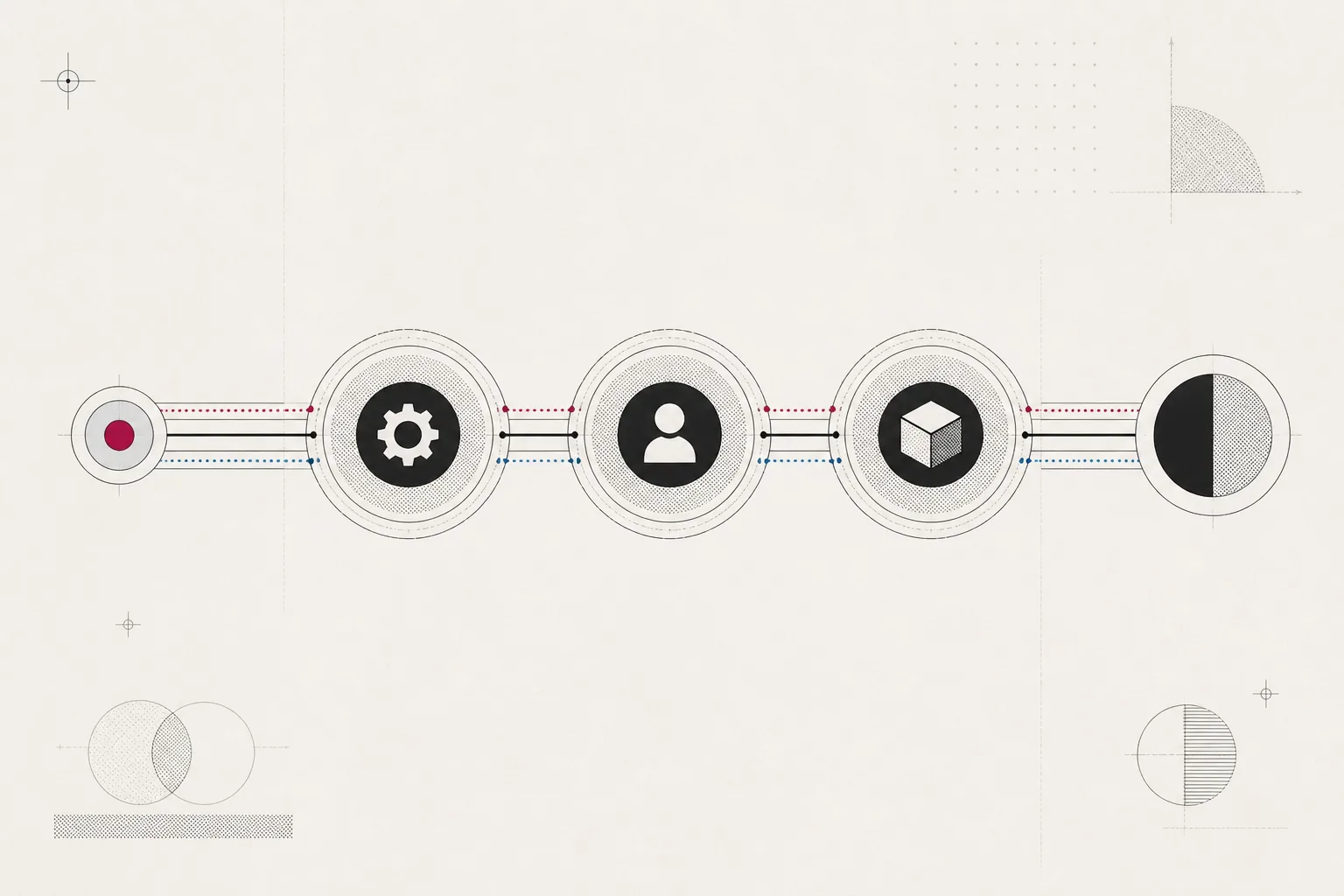
A short path preserves principal attention from decision through delivery.
Senior studio
Direct principal time, specialist capacity as needed, and little coordination overhead.
Large agency
Management layers, bench coverage, handoffs, and junior leverage share the same budget.
The math
- Every hour you buy from us is a senior hour. There is nobody else.
- Specialists join per engagement from a vetted network: capacity without permanent overhead.
- AI-native delivery removes the drudgery around senior judgment.
- Coordination cost scales with headcount. Three principals who've worked together for a decade barely pay it.
When we're the wrong choice
If you need fifty people on-site across four continents, hire the fifty-person machine. If you need an enterprise platform shipped by people who've built them inside that machine, at a fraction of the overhead, that's us. The work is the proof.
Written by the Moga principals.